Dr. Amy opens with a strong statement: she says cancer survivors make a critical mistake every day with the foods they eat. She speaks from experience. She describes herself as a 9-year cancer survivor and researcher, and she says this list is for anyone newly diagnosed, in treatment, or years into recovery.
In her video, she goes through 10 foods and drinks she believes are worth limiting, then five she says to start eating. She’s also upfront that real life isn’t all-or-nothing. She admits she didn’t eat perfectly during her own stage 3 treatment, when being exhausted made easy food hard to resist.
Here’s her full list, explained in her terms, along with the safety points worth keeping in mind.
Table of Contents
Summarized from a video by Dr. Amy on the Dr. Amy – Cancer Researcher & Cancer Survivor YouTube channel. This article is a summary of the video “10 Foods That FEED Cancer Cells (& 5 That Kill Them!).” All ideas belong to the video’s creator, and Dr. Amy did not write or review this article. Watch the original video below.
Key Takeaways
- Dr. Amy lists 10 foods and drinks she suggests limiting, and five she suggests adding.
- She says she bases her points on large studies and guidelines from cancer prevention organizations.
- Her approach isn’t all-or-nothing. She says balance and enjoying food with others matter too.
- This is one person’s view and is not a substitute for care from your oncology team.
10 Foods and Drinks She Suggests Limiting
- Processed meats (hot dogs, bacon, deli meat, sausage). She says they are formally classified as cancer-causing and that eating 50 g a day raises cancer risk by about 18%. She adds that “nitrate-free” labels can be misleading, since they often use natural nitrates from celery juice or celery salt.
- Alcohol. She calls it a group 1 carcinogen, in the same category as tobacco, linked to 11 types of cancer. She says one drink a day raises risk by about 9%, and that less alcohol means less risk.
- Sugary beverages. Soda, soft drinks, and sweet coffee drinks. She says they are high in calories without making you feel full, which can lead to weight gain, and an unhealthy weight raises cancer risk.
- Fast food and processed foods. Packaged snacks, bakery items, frozen meals, chips, and cookies. She says a diet high in these creates an internal environment favorable to cancer growth, and that major prevention guidelines agree.
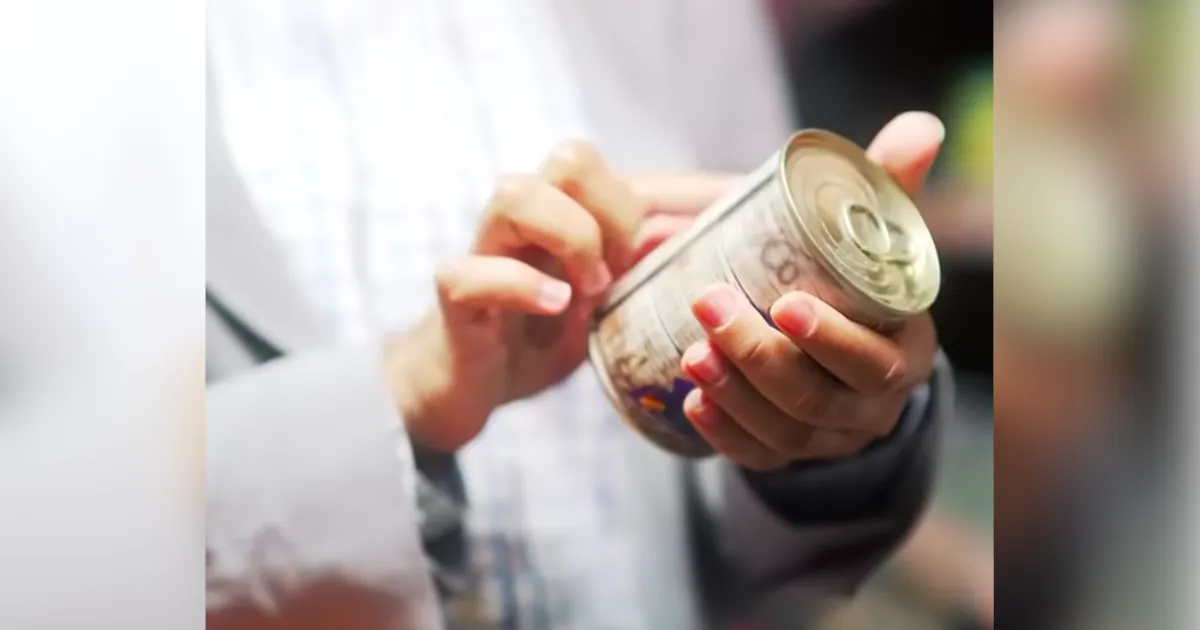
- Excess salt. She says there is strong evidence linking too much salt to cancer risk, and recommends staying under 2,300 mg a day, ideally closer to 1,500 mg. Sodium hides in canned soups, sauces, and restaurant meals.
- Too much red meat. Not all or nothing, she says. Red meat has iron, which matters during treatment, but too much may raise colorectal cancer risk. She suggests no more than three servings a week (about 300 to 500 g).
- Refined grains. White bread, white rice, white pasta, and many crackers. Stripped of fiber and nutrients, she says they behave like sugar in the body.
- Candy and confectionery. She warns that many “health foods” are just well-marketed sugar, so read labels.
- High-sodium processed snacks. Chips, crackers, and flavored popcorn, which she calls a “triple hit” of salt, refined carbs, and additives.
- Sugary coffee drinks. A large flavored latte can contain 40 to 60 g of sugar, which she compares to drinking a can of pop most days.
Balance Matters
Dr. Amy shares a story about a breast cancer patient who cut out all processed and red meat and, since she didn’t like fish, ended up with chicken at every meal. At a friend’s birthday party, she ate nothing and felt hungry, stressed, and isolated. Dr. Amy’s point: “That’s not freedom.” They built a more balanced approach, and it changed things for her.
5 Foods She Suggests Adding
- Cruciferous vegetables (broccoli, cauliflower, brussels sprouts, cabbage). She says they contain sulforaphane, which she says interferes with cancer cells and supports detox pathways. She suggests at least three servings a week, fresh or frozen.
- Berries. Rich in antioxidants and polyphenols, she says. Aim for them three times a week, in oatmeal, yogurt, or a smoothie.
- Beans and legumes (chickpeas, lentils, black beans). High in fiber and plant protein, and consistently found in diets with lower cancer risk, she says. Target: three times a week.
- Whole grains (brown rice, quinoa, unrefined barley). She suggests about 30 g of fiber a day from whole foods, and choosing the whole grain whenever you pick between whole and refined.
- Tomatoes and tomato paste. They contain lycopene, which she links with lower risk of prostate, lung, and breast cancers. She says cooked tomatoes have more usable lycopene than raw ones, so sauces, soups, or a spoonful of paste in a stew count.
Practical Tips
- This is not a replacement for medical care. Talk to your oncology team or a registered dietitian who works with cancer patients before changing your diet, especially during treatment.
- During treatment, many people have little appetite or lose weight. Restricting foods without guidance can do more harm than good, so ask your care team what’s right for you.
- Some foods and supplements can interact with cancer treatments, so ask before adding anything new.
- If you drink alcohol, talk to your doctor about what’s safest for you.
- Read labels for sodium and sugar, and make small swaps rather than overhauling everything at once.
- If you’re not in treatment, general advice from cancer prevention organizations, such as eating more fiber and fewer processed foods, is a sensible place to start.
Related reading:
- The Common Food linked to Heart Health Risks.
- How This Expert Tackles Autoimmune Disease at the Root.
- Castor Oil: The Ancient Secret for Youthful Skin.
Source & Credit
- Expert: Dr. Amy, cancer researcher and cancer survivor
- Channel: Dr. Amy – Cancer Researcher & Cancer Survivor
- Video: “10 Foods That FEED Cancer Cells (& 5 That Kill Them!)” (13:11)
- Link: https://www.youtube.com/watch?v=pJ9hCOqD0i0
- Publish date: Jul 29, 2026
About This Summary
This article summarizes the views of Dr. Amy, as presented in her YouTube video. The opinions and claims expressed belong to the video’s creator and do not necessarily reflect those of LuvNutrition.online.
Medical disclaimer: This content is for general information only and is not a substitute for professional medical advice, diagnosis, or treatment. If you have cancer or are in treatment, always talk to your healthcare team before changing your diet or taking supplements. Never stop or change prescribed treatment without talking to your healthcare provider.