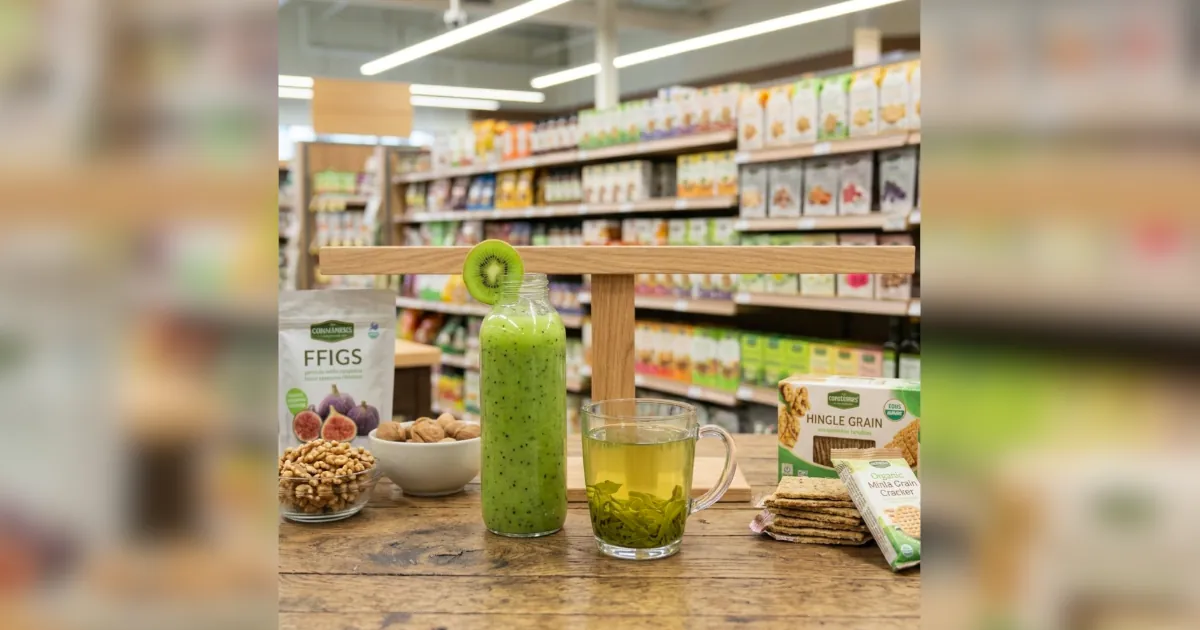
Quick answer: According to Dr. William Li, the center aisles of the grocery store hide some of the healthiest foods you can buy: dried and canned beans, tinned fish, extra virgin olive oil, canned tomatoes, dried mushrooms, cacao for baking, and honey. His advice is to shop the produce section first, then take a “treasure hunt” through the middle.
Most healthy-eating advice says to stick to the edges of the store, where the fresh produce, meat, and dairy sit. Dr. Li says that’s only half the story. The middle aisles are full of snacks and candy, but they also hold budget-friendly foods that last for months.
Here’s what he says to look for, along with a few other everyday food tips from the same video, such as how to wash produce properly, why he likes kiwi and green tea, and a simple way to find healthy foods you’ll actually enjoy.
Table of Contents
Summarized from a video by Dr. William Li on the Dr. William Li YouTube channel. This article is a summary of the video “1 CUP … Starves Cancer, Repairs DNA & Ends Inflammation (Scientifically Proven) | Dr. William Li.” All ideas belong to the video’s creator, and Dr. Li did not write or review this article. Watch the original video below.
Key Takeaways
- Dr. Li says shop the perimeter first, then go on a “treasure hunt” in the middle aisles.
- His middle-aisle picks: beans, tinned fish, extra virgin olive oil, canned tomatoes, dried mushrooms, cacao, and honey.
- He suggests washing all produce under cold running water for about 60 seconds.
- He recommends green tea, berries, and kiwi as everyday foods for circulation and gut health.
What’s Worth Buying in the Middle Aisles?
Dr. Li says to skip the snacks, candy bars, and chips, and look for these instead:
- Dried and canned beans. He says beans are a great source of plant-based fiber and are particularly good for metabolism.
- Tinned fish. In Mediterranean countries such as Italy, Spain, Greece, and southern France, he says tinned seafood is a delicacy. They’re called conservas: fish cooked soon after being caught, packed with olive oil and spices. Think sardines, mackerel, squid, and clams.
- Extra virgin olive oil. He says to make sure it’s extra virgin.
- Canned tomatoes and tomato paste.
- Dried mushrooms.
- Cacao for baking.
- Honey.
How Should You Wash Fruits and Vegetables?
Dr. Li says to rinse everything from the produce section or farmers market before eating, to remove dirt, grime, and whatever has been sitting around in boxes or stores. His method:
- Put the produce in a big metal bowl under the sink.
- Run cold water so the bowl overflows for about 60 seconds (he jokes about singing “Happy Birthday” twice).
- Rub the produce with your hands to scrub off residue.
He likes using a bowl instead of rinsing over the tap, because you can see the dirt that comes off, which he says builds confidence in your food. He adds that it isn’t only about pesticides, but they come off too.
Why Does He Recommend Kiwi?
Dr. Li calls kiwi a good everyday food for circulation over a lifetime. His reasons:
- Vitamin C: a natural antioxidant that he says reduces the chance of DNA mistakes.
- Fiber: it feeds healthy gut bacteria. He says we have about 39 trillion bacteria, and he calls feeding them “room and board.” In return, he says, they make substances that lower inflammation and support the immune system.
What About Green Tea?
He says to drink more green tea, without milk or sugar, and suggests iced green tea made in the fridge if you don’t want it hot. He also prefers loose-leaf tea over tea bags, saying bags are less eco-friendly and release fewer polyphenols. If you use bags, he suggests dunking them for 2 to 3 minutes.
Does Drinking Cold Water Burn Fat?
In his book, Dr. Li describes the body as having temperature sensors in the stomach, a kind of thermostat. When you drink something very cold, he says the body generates heat through thermogenesis, which uses energy and burns some fat. He suggests this makes cold water beneficial. Keep in mind that the effect is usually small, and cold water isn’t a weight-loss method on its own.
Why Does He Talk About Visceral Fat?
Dr. Li points out that body composition isn’t only what you can see. Even thin people can have visceral fat, packed around the organs inside the body, which he says raises the risk of many diseases, including 14 types of cancer.
What’s His Tip for Finding Foods You’ll Actually Eat?
He suggests this simple exercise:
- Write down 10 foods you really enjoy, going back to childhood comfort foods.
- Look at the ingredients and circle the ones that are most plant-based.
- Start eating more of those.
His point is that this builds confidence that your instincts are good, and that healthy eating doesn’t require giving up what you like. His three-part summary: have berries, have tea, and trust your own enjoyment.
Is Produce Safe to Eat?
Dr. Li acknowledges that news about contamination can make people nervous, and says that for the most part we should trust our food system and local farmers, find reliable sources, and wash well.
Practical Tips
- Check labels on canned beans, tomatoes, and fish. Many are high in sodium. Look for “no salt added” and rinse canned beans.
- Tinned fish and mercury: small fish like sardines are generally lower in mercury than large fish. If you’re pregnant, breastfeeding, or feeding young children, ask your doctor about safe amounts.
- Never give honey to babies under 12 months old.
- Kiwi can cause mouth itching or allergic reactions in some people, especially those with latex or birch pollen allergies.
- Green tea contains caffeine, and it can affect some medications, including blood thinners such as warfarin. Ask your doctor or pharmacist if this applies to you.
- Rinsing produce under running water is recommended by food safety authorities. Skip soap or detergent.
- If you have diabetes, kidney disease, or a condition requiring a special diet, ask your doctor or dietitian before making big changes.
Related reading:
- Maximizing the Health Benefits of Tomatoes, Turmeric, and Tea.
- Everyday Foods That Experts Link to Chronic Inflammation.
- Healthier Habits for Eating Potatoes, Bread, and Rice.
Source & Credit
- Expert: Dr. William Li
- Channel: Dr. William Li
- Video: “1 CUP … Starves Cancer, Repairs DNA & Ends Inflammation (Scientifically Proven) | Dr. William Li” (13:46, compilation of clips)
- Link: https://www.youtube.com/watch?v=ZBuPjKmgejs
- Publish date: Oct 10, 2026
About This Summary
This article summarizes the views of Dr. William Li, as presented in his YouTube video. The opinions and claims expressed belong to the video’s creator and do not necessarily reflect those of LuvNutrition.online.
Medical disclaimer: This content is for general information only and is not a substitute for professional medical advice, diagnosis, or treatment. Always consult a qualified healthcare provider before changing your diet or taking supplements.