Here’s a statement that surprises a lot of people, including many doctors: a heart surgeon who doesn’t automatically prescribe statins for high LDL cholesterol. Dr. Ovadia knows how that sounds. People often assume he’s ignoring the science or putting patients at risk.
His view is the opposite. After years of treating cardiovascular disease firsthand, he says a single LDL number tells only a small part of the story. In his video, he explains why he doesn’t reach for a statin just because LDL is high, what he thinks really drives heart disease, and what he asks his patients to focus on instead.
Table of Contents
Here’s his reasoning, step by step, along with the balanced note he adds at the end.
Summarized from a video by Dr. Philip Ovadia on the I Fix Hearts by Dr. Ovadia YouTube channel. This article is a summary of the video “After 50,000 Patients, I Noticed This About Statins…” All ideas belong to the video’s creator, and Dr. Ovadia did not write or review this article. Watch the original video below.
Key Takeaways
- Dr. Philip Ovadia says LDL is a transport particle, not a toxin, and a high number alone doesn’t equal heart disease.
- He believes statins lower LDL but don’t fix the deeper problems he sees driving heart disease.
- He points to insulin resistance, high blood sugar, high triglycerides, belly fat, and chronic inflammation as the real risk factors.
- He stresses that statins can be right for some people, as a shared decision with their doctor.
Rethinking LDL
The traditional story, he explains, is that LDL is the main villain behind plaque in the arteries: lower the LDL and you lower the risk. Dr. Ovadia pushes back on that.
In his explanation, LDL’s job is to deliver cholesterol and nutrients to every tissue in the body. Cholesterol itself is vital, since it’s used for cell membrane repair, hormone production, vitamin D synthesis, and many other functions. So, he says, the meaning of a high LDL number depends heavily on context. It’s one data point, not the whole story.
What Statins Do (and Don’t Do)
Statins work by blocking an enzyme in the liver that helps make cholesterol, which lowers LDL in the blood. Dr. Ovadia acknowledges that in specific situations, such as after a heart attack or in extremely high-risk profiles, they can provide a measurable reduction in risk.
But here’s what he says they don’t fix:
- The underlying metabolic dysfunction
- Chronic inflammation
- Insulin resistance
He adds that many patients experience side effects such as muscle aches, fatigue, and brain fog, and that responses vary widely from person to person. His core argument: lowering a number on a lab report doesn’t necessarily treat the root cause.
What He Says Really Drives Heart Disease
Dr. Ovadia wants the focus on metabolic health. The key areas he names:
- Insulin resistance
- Chronically high blood sugar
- High triglycerides
- Visceral fat (the fat around your organs)
- Chronic inflammation
- Overall metabolic dysfunction
These factors, he says, damage the lining of the arteries and create the conditions for plaque to form and rupture.
What He Tells His Patients Instead
Rather than chasing one lab number, Dr. Ovadia says he focuses on practical, sustainable habits that:
- Improve insulin resistance
- Reduce inflammation throughout the body
- Strengthen overall metabolic health
- Build and maintain muscle mass
- Improve sleep quality
- Reduce visceral fat
- Support a lifestyle you can keep long term
A Balanced Note From Him
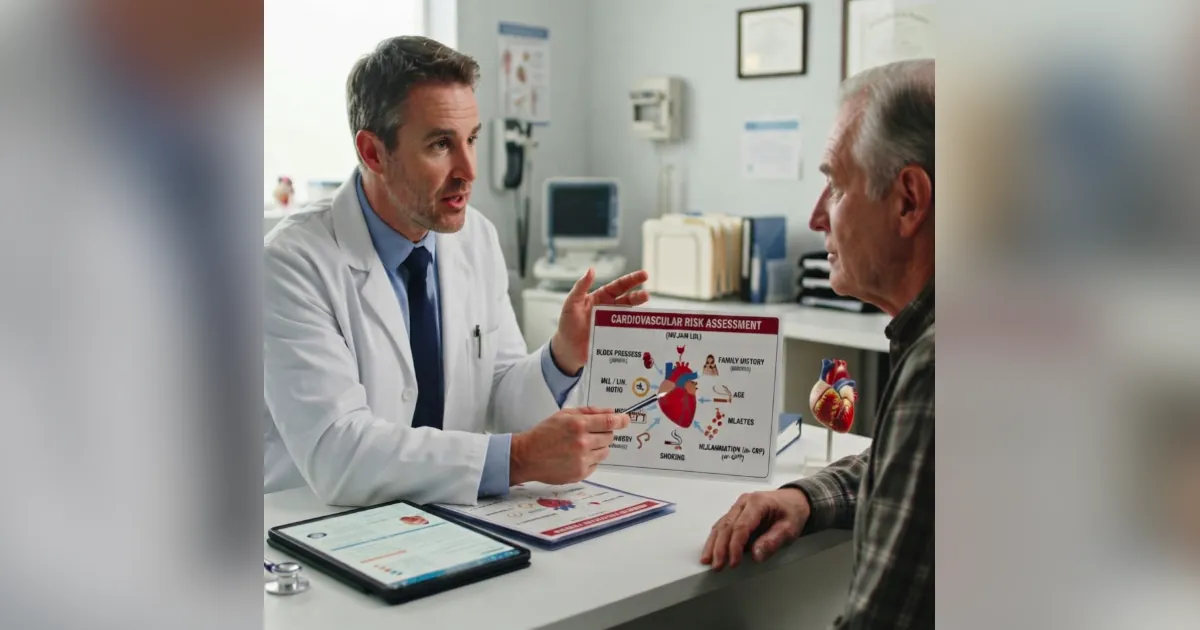
Dr. Ovadia is careful to add that statins do have a place. He says they should be considered in the patient groups where the evidence is strongest, after careful risk assessment, and always through individualized shared decision-making between the patient and their doctor. His bottom line: LDL is one piece of a much larger picture, and heart disease risk has many factors.
Practical Tips
- Never stop or change a prescribed statin on your own. Talk to your doctor first, as Dr. Ovadia himself emphasizes.
- Ask your doctor about a fuller picture of your heart health, such as blood sugar, triglycerides, blood pressure, and family history, not only LDL.
- If you take a statin and notice muscle aches, unusual fatigue, or brain fog, tell your doctor rather than quitting.
- If you’ve already had a heart attack or have a high-risk profile, follow your cardiologist’s plan.
- Small, steady changes such as regular movement, strength training, better sleep, and fewer sugary foods fit the habits he describes.
Related reading: Dr. Berg: Why He Says a Flatter Stomach Starts With Insulin.
Source & Credit
- Expert: Dr. Ovadia, heart surgeon
- Channel: I Fix Hearts by Dr. Ovadia
- Video: “After 50,000 Patients, I Noticed This About Statins…” (4:40)
- Link: https://www.youtube.com/watch?v=18xg1nHFnns
- Publish date: Apr 22, 2026
About This Summary
This article summarizes the views of Dr. Ovadia, as presented in his YouTube video. The opinions and claims expressed belong to the video’s creator and do not necessarily reflect those of LuvNutrition.online.
Medical disclaimer: This content is for general information only and is not a substitute for professional medical advice, diagnosis, or treatment. Never stop or change prescribed medication without talking to your healthcare provider. Always consult a qualified healthcare provider before changing your diet or taking supplements.