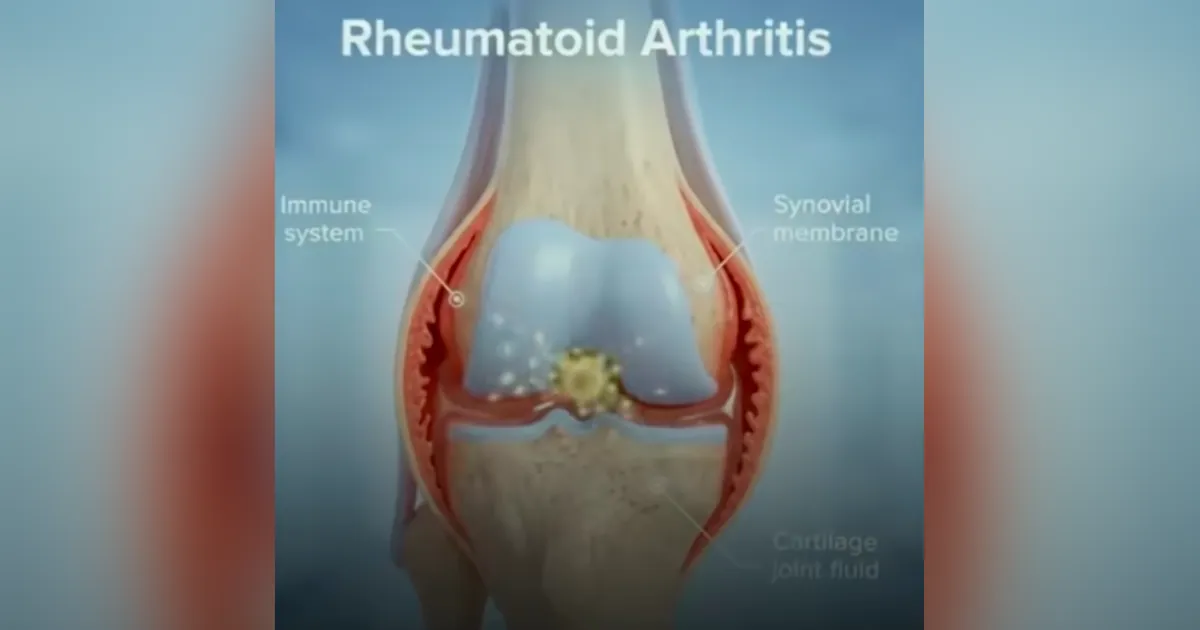
Joint pain is usually blamed on wear and tear. Dr. Eric Berg says that’s only part of the story, and in some cases the wrong story. In his view, the real trouble with arthritis isn’t happening inside the joint at all.
He starts with a study he cites: a large analysis of about 115,000 people with knee pain found that only 3.5% were runners, while 10.2% were sedentary. His takeaway is that osteoarthritis isn’t simply “wear and tear.” He calls it a metabolic condition, and he describes rheumatoid arthritis as an immune problem that begins in the gut.
So which foods does he point the finger at, and what does he suggest instead? Here’s his explanation, split by the two main types of arthritis.
Table of Contents
Summarized from a video by Dr. Eric Berg, DC, on the Dr. Eric Berg DC YouTube channel. This article is a summary of the video “The Worst Foods for Joint Pain (Stop Eating These!).” All ideas belong to the video’s creator, and Dr. Berg did not write or review this article. Watch the original video below.
Key Takeaways
- Dr. Berg says rheumatoid arthritis starts as a gut-based immune problem, and osteoarthritis is a metabolic problem.
- For rheumatoid, he lists foods he believes can irritate the gut and trigger immune reactions.
- For osteoarthritis, he points to sugar, industrial starch, and seed oils.
- He suggests low-carb eating, fasting, certain nutrients, and regular movement.
Rheumatoid Arthritis: A Gut Story
According to Dr. Berg, you feel rheumatoid arthritis in the joints, but the antibodies involved originate in the mucous lining of the gut (or sometimes the mouth, after an infection like an abscess). He cites an experiment where antibodies from people with rheumatoid arthritis were injected into germ-free mice, and within 14 days the mice developed swollen joints. His conclusion: anything that damages the gut could potentially feed into this condition.
The foods he lists
- Sugar-sweetened foods and high fructose corn syrup. He cites research linking just one soda a day with a 63% higher risk of rheumatoid arthritis.
- Modern wheat. He calls gluten one of the few proteins our bodies can’t fully digest, which he says can inflame the gut and make it leaky, allowing immune reactions that show up in the joints.
- Corn. He says it’s correlated with rheumatoid flares, shows up in almost everything, and that some people feel relief when they cut it out.
- Conventional (A1) dairy, including sodium caseinate, a milk protein he says can damage the colon lining.
- Eggs, not because they’re “bad,” but because with a leaky gut, egg protein could slip through and trigger an immune response.
- Emulsifiers such as polysorbate 80 and carrageenan, which he says aren’t good for the gut’s mucous layer.
Osteoarthritis: A Metabolic Story
Dr. Berg explains that recent research links osteoarthritis with other metabolic conditions such as type 2 diabetes, fatty liver, and Alzheimer’s disease. He adds that it can even be predicted by how much visceral fat a person has.
The three things he says usually drive metabolic problems:
- Sugars, which keep insulin chronically high and lead to insulin resistance
- Starch, which he calls hidden sugar, mostly industrial starches
- Seed oils, which he describes as highly inflammatory and able to penetrate joint membranes
What He Suggests Eating
- For rheumatoid arthritis: a carnivore-style diet of meat and seafood, since it removes many of the triggers he listed. He says eggs are optional depending on whether you tolerate them.
- For osteoarthritis: a ketogenic or low-carb diet. He suggests testing whether a standard keto approach or carnivore works better for you.
- For both: fasting, which he calls super anti-inflammatory. He says it’s key to bringing the metabolic issue under control, and that the focus should be on what’s happening in your cells, not just your weight.
Nutrients He Mentions
- Vitamin D3. Dr. Berg says higher-than-usual amounts may help, because the vitamin D receptor is often less responsive during inflammation. He adds that some doctors can prescribe therapeutic doses and monitor them for you.
- Magnesium, which he says is needed for vitamin D to work.
- Omega-3 (EPA and DHA). He cites a clinical trial using much higher amounts than usual to help calm inflammation.
- Vitamin K2. For osteoarthritis, he says it helps keep calcium from building up in the joints and arteries. He also notes that people taking the blood thinner warfarin have about three times the risk of calcium crystal deposits.
Exercise Matters
Cartilage has no blood supply, Dr. Berg explains. It gets its nutrients from compression and decompression, which means movement. That’s why he says being sedentary is the worst thing you can do for osteoarthritis. He also points to another of his videos about an exercise that moves a joint to its end range, stretches gently into the direction you can’t go, then pushes back against resistance. He describes it as a way to bring more nutrition into the joint.
Practical Tips
- Never stop or change arthritis medication without talking to your doctor, especially if you take drugs for rheumatoid arthritis.
- Ask your doctor before trying a carnivore or very low-carb diet or fasting, especially if you have diabetes, kidney problems, gout, or take blood sugar or blood pressure medication.
- High-dose vitamin D and omega-3 should be monitored by a healthcare provider. Dosing too high can raise blood calcium or affect bleeding.
- Vitamin K2 and omega-3 can interact with blood thinners such as warfarin. Check with your doctor or pharmacist first.
- Gentle, regular movement is widely recommended for joints. Start slowly, and ask your doctor or physical therapist what’s suitable for you.
- If you notice joint swelling, morning stiffness that lasts a long time, or new, persistent pain, see a doctor for a proper diagnosis.
Related reading:
- Castor Oil as Nature’s Botox.
- How Insulin Affects a Flatter Stomach.
- Dr. Berg: Why He’s Looking at Vitamin D for Glaucoma.
Source & Credit
- Expert: Dr. Eric Berg, DC
- Channel: Dr. Eric Berg DC
- Video: “The Worst Foods for Joint Pain (Stop Eating These!)” (about 9:20)
- Link: https://www.youtube.com/watch?v=q60OSVeQsgg
- Publish date: Oct 1, 2026
About This Summary
This article summarizes the views of Dr. Eric Berg, DC, as presented in his YouTube video. The opinions and claims expressed belong to the video’s creator and do not necessarily reflect those of LuvNutrition.online.
Medical disclaimer: This content is for general information only and is not a substitute for professional medical advice, diagnosis, or treatment. Never stop or change prescribed medication without talking to your healthcare provider. Always consult a qualified healthcare provider before changing your diet, fasting, or taking supplements.